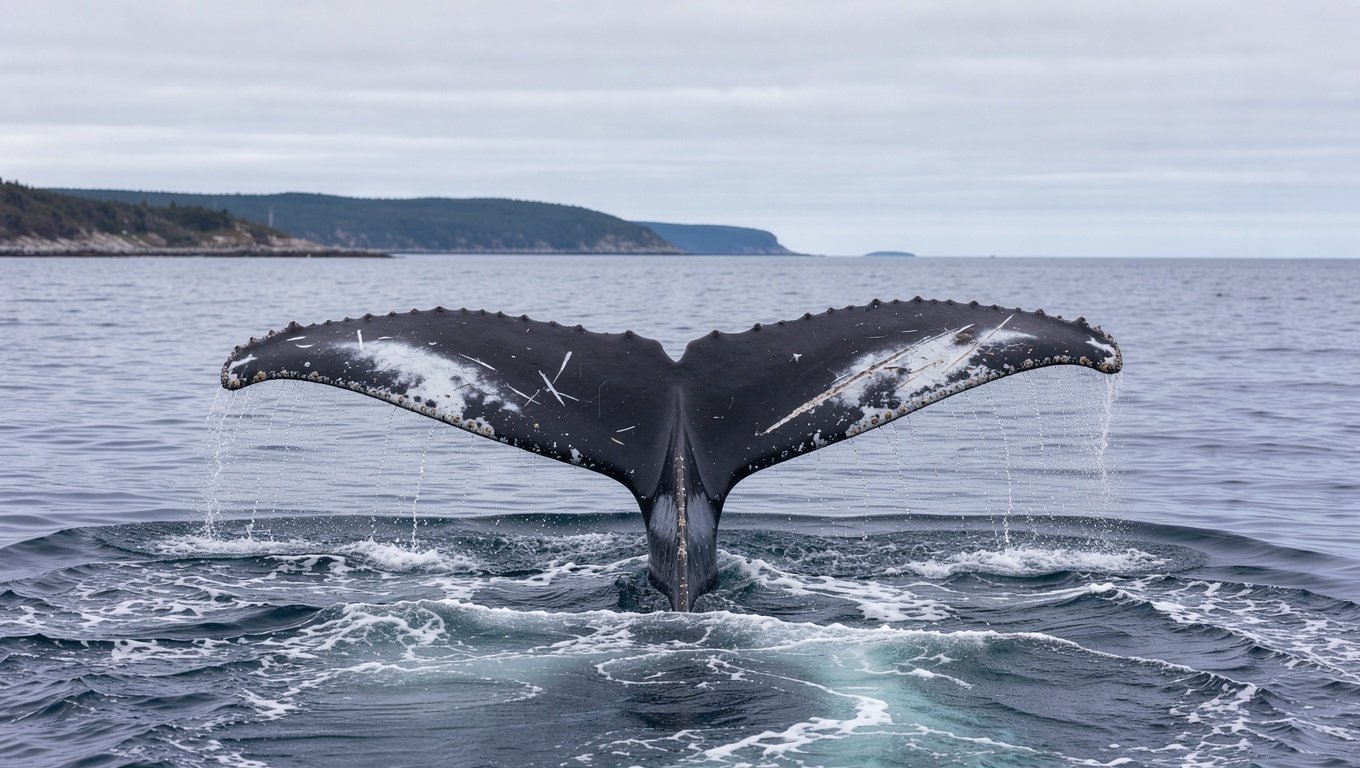
Whale watching
Three to four hours offshore from Bar Harbor, Boothbay Harbor or Portland. Humpbacks are the showiest; finbacks are the second-largest animal on earth. Bring a windproof layer — the boat is always colder than the dock.
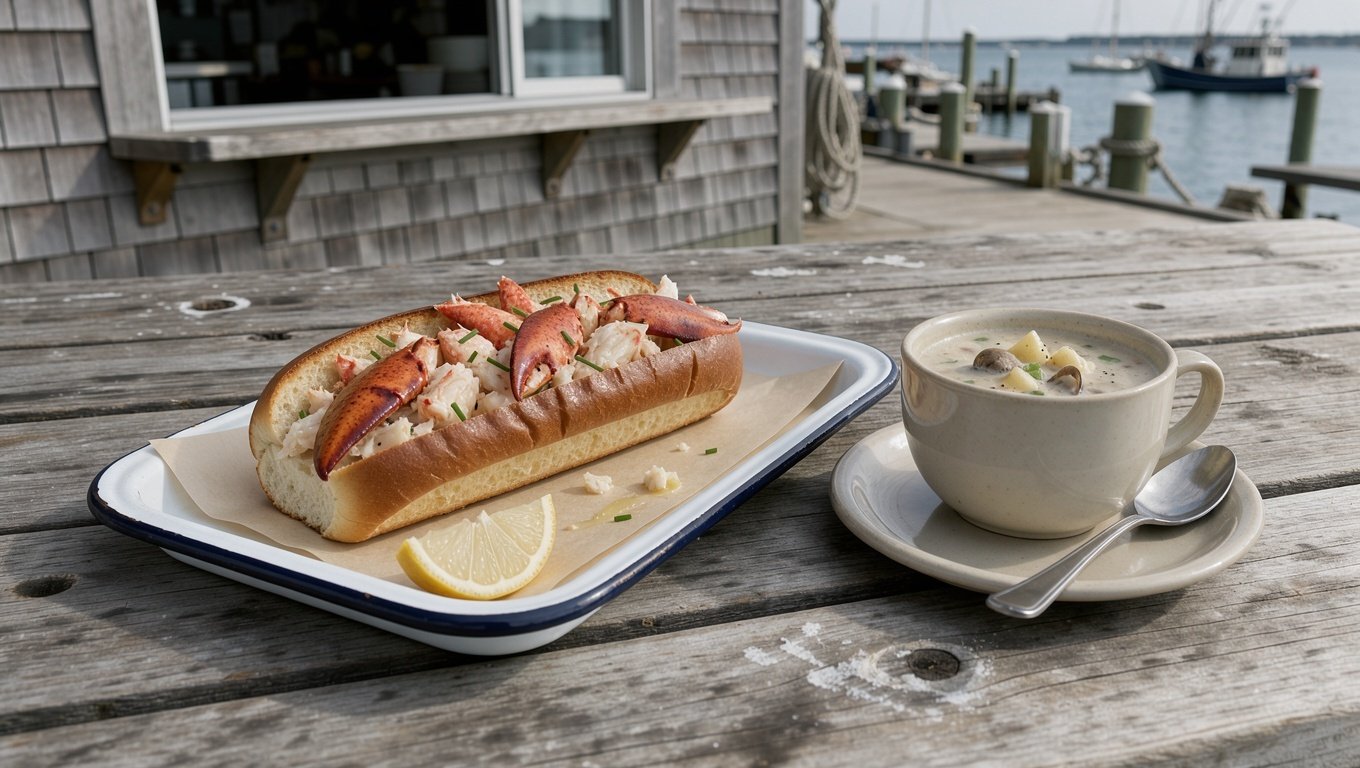
Eat lobster on a wharf. Watch a humpback break the surface. Walk a lighthouse at first light. Maine's best hours are simple, outdoor and usually a little cold.
How to choose
Maine does not have a theme park or a major indoor attraction that justifies the flight. What it has is coast, forest and working water — and almost everything worth doing happens outside.
That shapes the planning. Build in a wet-weather alternative. Accept that the ocean is cold even in August and that a 15 mph wind off the water changes what you want to wear. Book the boat trips and guided paddles you care about before you arrive, because the good operators sell out.
Below are the experiences that genuinely justify a place on a trip — not a list of everything that exists. If you only have a few days, work down from the top.
Whale watching, sea kayaking and schooner sails all run roughly June to September. Skiing and snowshoeing are December to March. Lighthouse touring works all year. Build the trip around the season you are actually visiting in, not the one in the brochure you read.
| Experience | Where | Best months | Booking |
|---|---|---|---|
| Lobster pound meal | Anywhere on the coast | May–Oct | Walk-in; many close off-season |
| Whale watching | Bar Harbor, Boothbay, Portland | Jun–Aug | Book 1–2 weeks ahead in summer |
| Sea kayaking | Bar Harbor, Camden, Stonington | Jun–Sept | Guided trips book out; reserve early |
| Lighthouse touring | Cape Elizabeth, York, Pemaquid | Year-round | Mostly no booking; some towers limited |
| Schooner sail | Camden, Rockland | Jun–Sept | Reserve ahead for sunset sails |
| Skiing | Sugarloaf, Sunday River | Dec–Mar | Book lodging early for holidays |
| Moose watching | Moosehead, Rangeley | May–Jun, Sept–Oct | Self-drive at dawn or dusk |
Look for a queue of local cars, a handwritten price board, picnic tables instead of linen, and a menu shorter than your hand. If there is a host stand and a wine list, you are paying for the view. Both can be worth it — just know which one you walked into.
Eat first
Maine lands around 100 million pounds of lobster a year, the vast majority of it from inshore waters. That volume is why a lobster dinner here costs a fraction of what it does in Boston or New York — and why the best value is not in the harbour-view restaurants.
The distinction that matters: a lobster pound is a wholesale-to-retail operation with picnic tables, plastic bibs and a stack of paper plates. A lobster roll shack serves one thing, well. A harbourfront restaurant charges for the view. All three can be excellent, but only the first two are good value.
Most seasonal lobster pounds open around Memorial Day and shut in mid-to-late October. If you are visiting in late October or early November, phone ahead — plenty will already be boarded up for the winter, and the ones still trading may be weekends only.
On the water
Maine's best vantage point is offshore. The Gulf of Maine is one of the most productive marine ecosystems in the North Atlantic, and the animals that feed in it are the reason so many people come.
Three to four hours offshore from Bar Harbor, Boothbay Harbor or Portland. Humpbacks are the showiest; finbacks are the second-largest animal on earth. Bring a windproof layer — the boat is always colder than the dock.
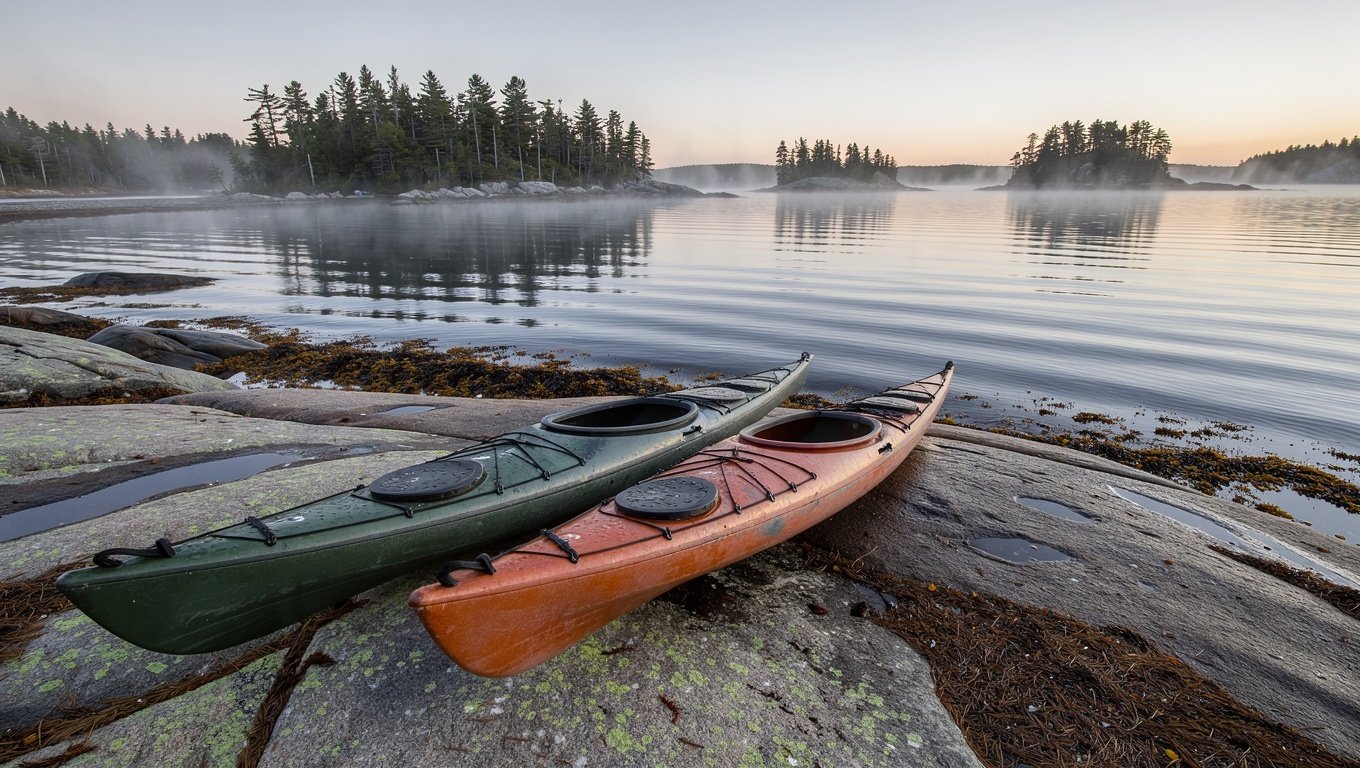
Sheltered coves around Bar Harbor, Stonington and Camden are ideal for beginners on a guided half-day. The water is genuinely cold year-round; outfitters provide suits, and you should not skip them.
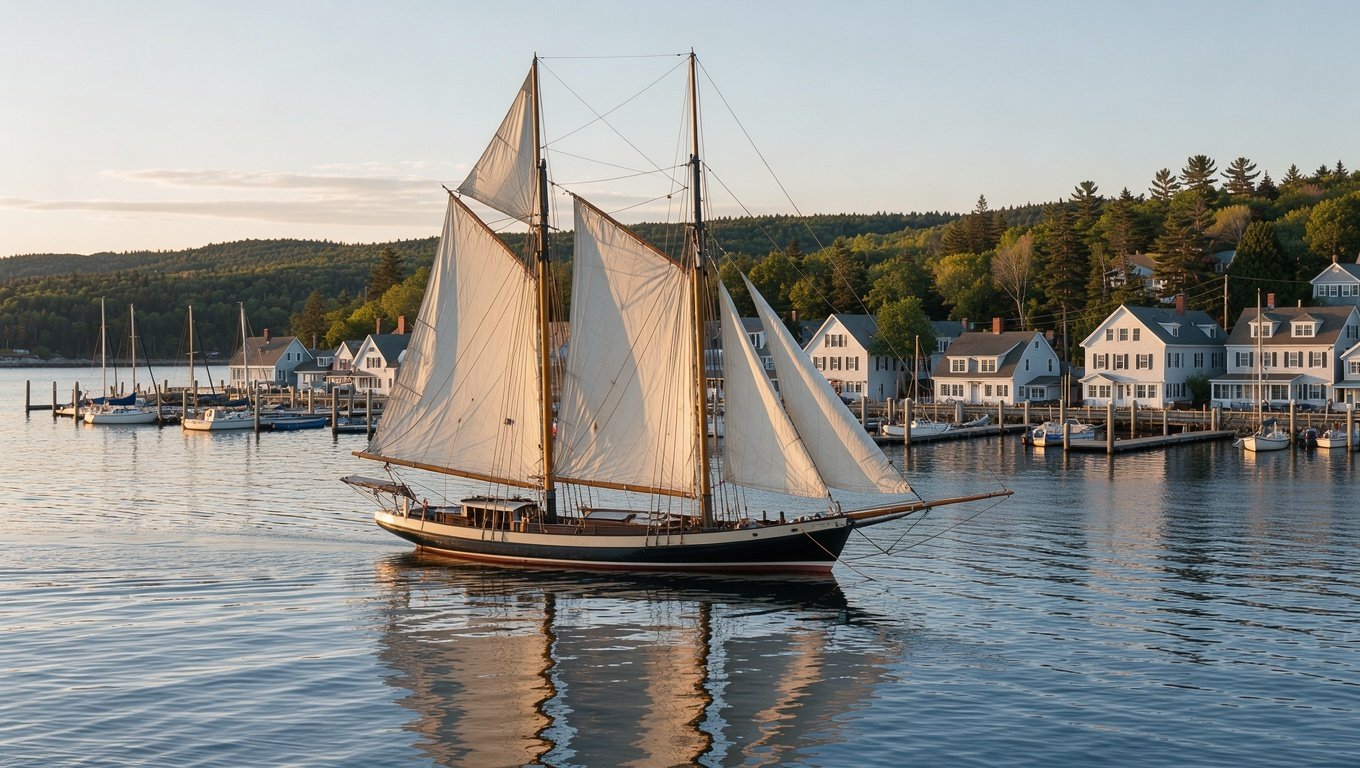
Camden and Rockland still run a fleet of original and replica schooners. A two-hour sunset sail is the easiest way in; multi-day windjammer cruises are a Maine institution in their own right.
Approaching whales, seals or basking sharks closer than the legal distance is a violation, not a grey area. Reputable operators brief passengers and keep their distance. If a captain steers toward an animal for a closer look, that tells you what you need to know about the operation.
On foot
Maine has more surviving lighthouses than any other state, a legacy of a coastline that has been trying to wreck ships since the 1600s. Most are automated now and many are on private or inaccessible ground. These are the ones you can actually reach.
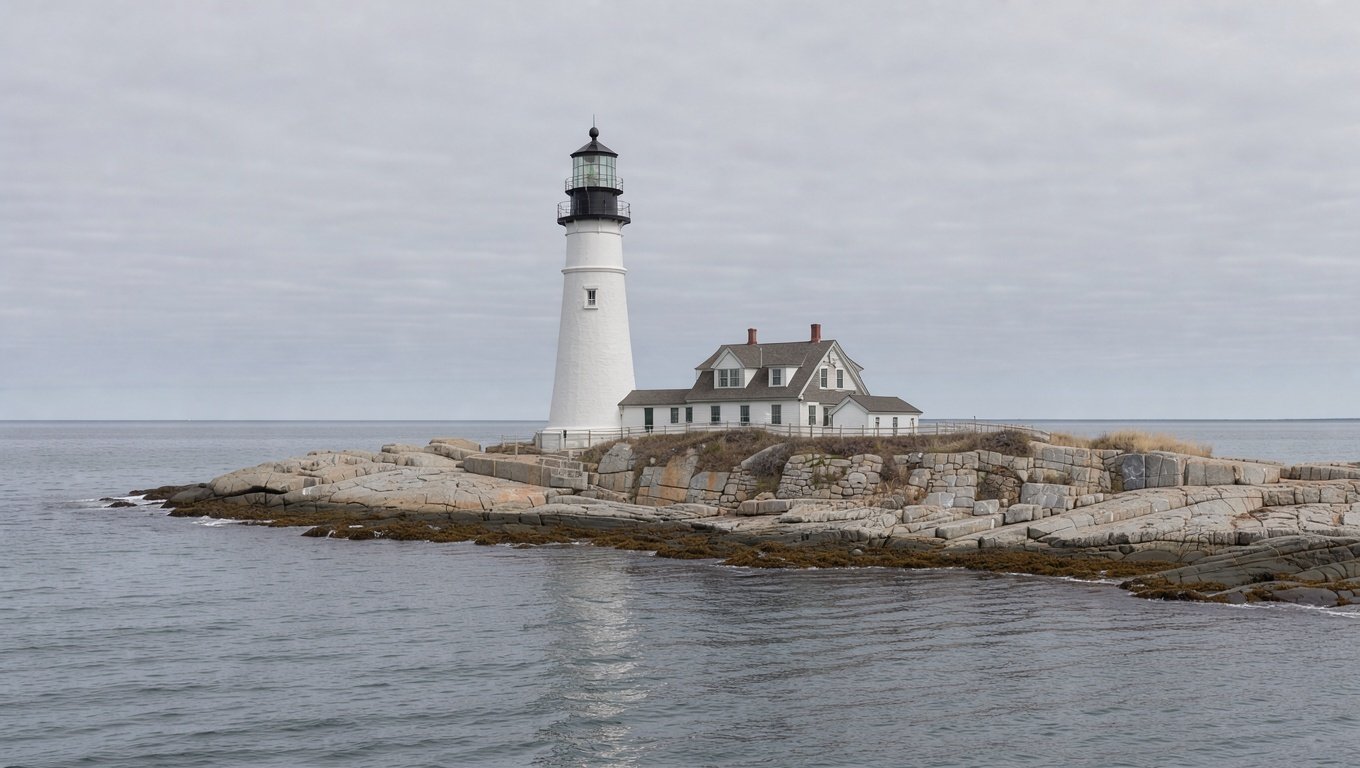
Most Maine lights are automated and closed. Pemaquid Point and a handful of others let you climb; Portland Head's keeper's quarters hold a museum. Check opening days before driving out — several are weekends-only or seasonal.
Inland
Roughly half of Maine's best experiences have nothing to do with salt water. If you have the days, the interior is worth the drive.
Acadia for granite and ocean; Baxter State Park for genuine remoteness; the Rangeley and Mahoosuc ranges for quiet, technical, uncrowded walking. The Appalachian Trail's toughest mile — the Mahoosuc Notch — is here, and it is not a beginner's route.
Jun–OctThe Allagash Wilderness Waterway is the classic multi-day canoe trip in the northeast, and it requires permits, planning and a shuttle. Easier options: Moosehead Lake day paddles, the St. George River, and the calm tidal estuaries around Brunswick.
May–SeptSugarloaf has the largest vertical in New England east of Killington; Sunday River spreads across eight peaks. Cross-country skiing and snowmobiling networks run for thousands of miles, and the coast in February is empty in the best possible way.
Dec–MarThe Farnsworth in Rockland for Wyeth and Maine art. The Portland Museum of Art for a genuinely good permanent collection. Bowdoin College Museum of Art in Brunswick, free and quietly excellent. The Maine State Museum in Augusta for the odd, specific history of the place.
Year-roundKnowing what exists is the easy part. The work is sequencing it so you are not driving three hours for a two-hour experience. The itinerary page does that arithmetic for you.