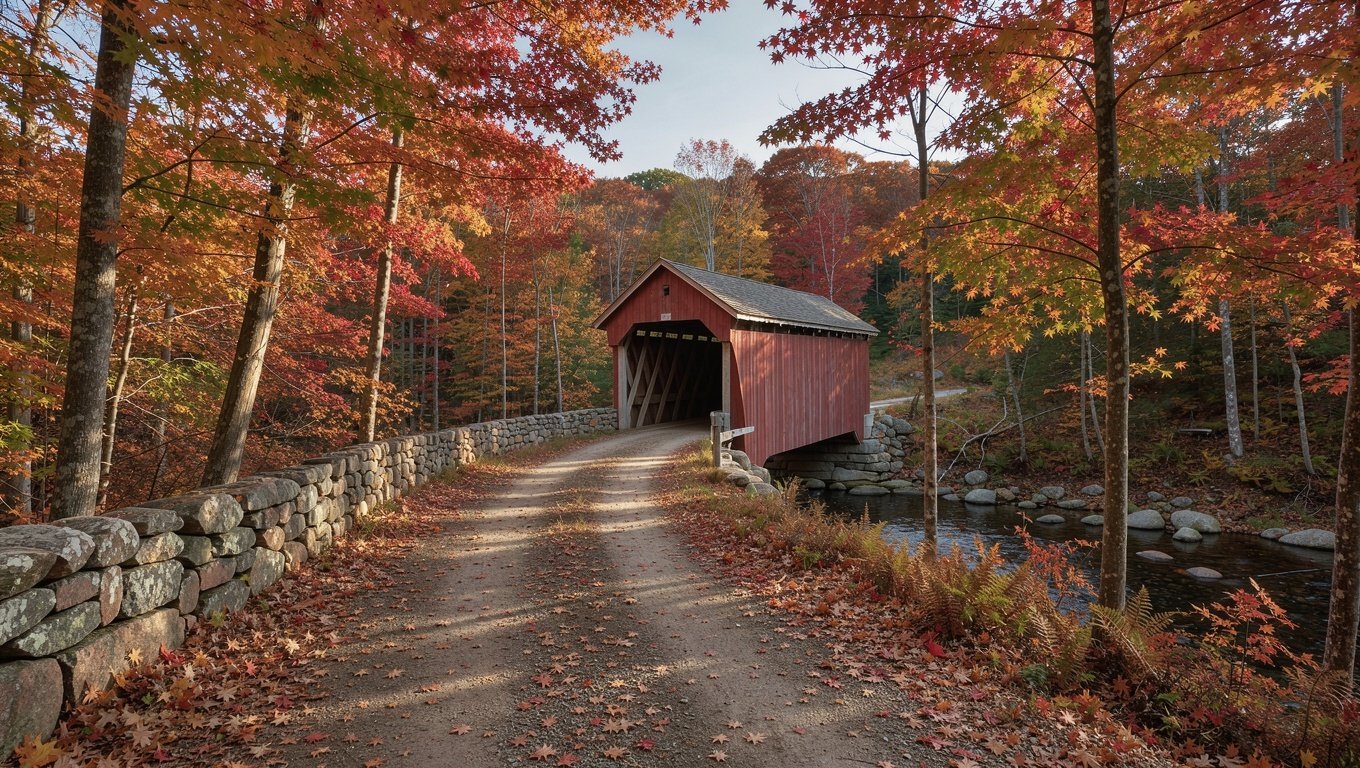
A Maine dirt road lined with brilliant orange and crimson sugar maples at peak October foliage in low warm sunlight

Best time to visit Maine

One month genuinely outperforms the rest, and it is not the one in the brochures. Here is how each season actually behaves — and what it costs you.

The short answer

September, and it is not close

September takes the best of everything and drops the worst. Ocean temperatures reach their annual peak. The crowds collapse the week after Labor Day. Every business is still open, because the season does not really end until mid-October. And the light starts getting interesting again.

July and August are the obvious choice, and they are genuinely good — warm air, reliable weather, everything running. They are also the most expensive and busiest weeks of the year, and the ones where a spontaneous trip is hardest to arrange.

Early October is the photographer's month, with the caveat that foliage timing is regional rather than statewide. Late spring is quiet and green but carries two real annoyances: mud and black flies.

Book by the season, not by the date

Coastal lodging in July and August often sells out three to six months ahead, and the best small inns are gone earlier than that. September and October still require booking, but a month or two of lead time is usually enough. Winter and the interior are largely last-minute.

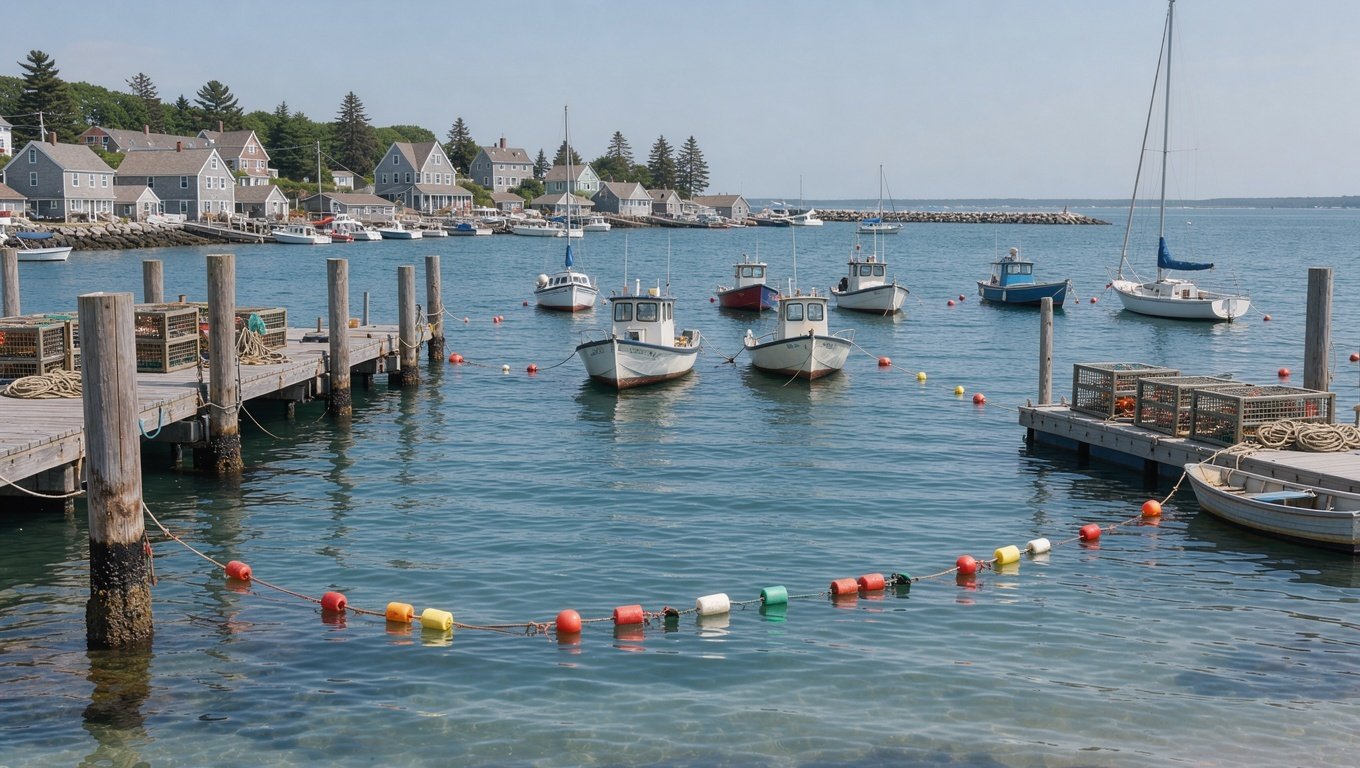
A busy Maine harbour town in July with small boats in bright blue water, buoys and weathered dock pilings
July and August: the warmest, busiest, most expensive weeks of the Maine year.
62–66°F peak nearshore ocean temperature, reached in August
Sep best all-round month for weather, crowds and access
Oct 10–20 typical coastal foliage peak — inland is 1–3 weeks earlier
May 15–Jun 30 black fly season inland; coast is far less affected

Month by month

The full seasonal comparison

Figures are broad planning ranges for the coast and near-coastal interior, not forecasts. Far-northern Aroostook runs noticeably colder and earlier in every season.

Maine travel conditions by month
Month Typical air temp Crowds Open businesses Best for
January Highs 28–33°F Very low Year-round towns only Skiing, empty coast, low prices
February Highs 30–35°F Low (school break excepted) Year-round towns only Best snow depth, skiing, snowshoeing
March Highs 38–45°F Very low Many closures Late-season skiing; not much else
April Highs 48–56°F Very low Many closures Mud season — avoid trails; city time only
May Highs 58–66°F Low Opening through the month Lilacs, empty roads, waterfall flow
June Highs 68–75°F Moderate Almost all open Long days, green, before the peak
July Highs 75–80°F Very high All open Beaches, boats, whale watching
August Highs 75–80°F Very high All open Warmest water, best swimming
September Highs 68–74°F Moderate → low All open Everything. The strongest month overall
October Highs 57–63°F Moderate (foliage) Closing late in the month Foliage, photography, crisp air
November Highs 46–52°F Low Many seasonal closures Storm light, cheap rates, quiet
December Highs 33–39°F Low Year-round towns only Christmas in Portland, early ski season

"Open businesses" refers to the coastal tourism economy specifically. Portland, Bangor and the ski towns operate year-round regardless of month.

Foliage timing

Peak colour is a moving target, not a weekend

Maine is roughly 90% forest, dominated by spruce and fir in the north with a heavy mix of maple, birch and beech further south. The colour change is driven by shortening daylight and cooling nights, which means it runs north-to-south and uphill-to-downhill.

That is why "peak foliage weekend" is a marketing device rather than a fact. If you book a single date in a single town months ahead, you are betting on the frost calendar. Better to pick a region with some vertical range and stay flexible on the exact days.

Elevation beats latitude

High ground turns first, regardless of how far north it is. A ridge at 2,000 feet in the western mountains will often colour a week before a coastal town at the same latitude — and a mountain pass will be bare while the lake beneath it is still green.

Late September

Aroostook & the northern mountains

Katahdin, the Allagash and the St. John Valley turn first. Fog and early frost can end it quickly. This is the least crowded foliage in the state.

First week of October

Western mountains & the lakes

Sugarloaf, Rangeley and Moosehead hit peak. Drive the Rangeley Lakes Scenic Byway; the higher passes run a few days ahead of the lakeshore.

Second week of October

Central Maine & the Midcoast

Augusta, Waterville and the Camden Hills. Windjammers under full sail against turning hills are the classic photograph of the season.

Mid to late October

Southern coast & Portland

The last to turn, and the most reliable for late planners. Coastal oak holds longer but colours less dramatically than inland maple.

Do not book foliage on a fixed date and hope

Peak timing shifts by one to two weeks year on year depending on frost. If foliage is the priority, keep your dates flexible until a few weeks out, or pick a region rather than a specific town so you can move with the colour.

The seasons that need a warning

Two windows locals will tell you to avoid

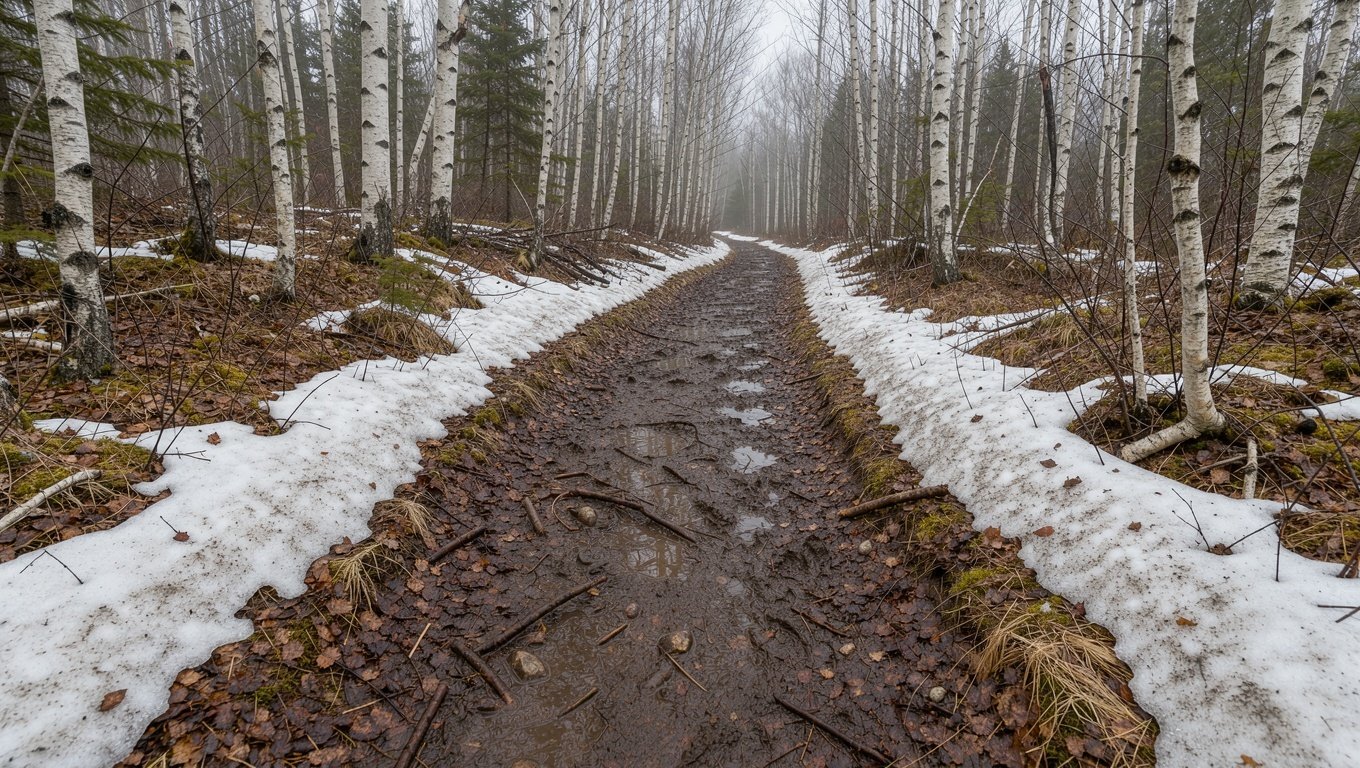
A muddy spring hiking trail through bare birch forest in Maine with patches of old snow and brown leaf litter

Mud season — late March to mid-May

Snowmelt saturates the ground. Unpaved roads and hiking trails are soft enough that a few hikers can permanently widen and erode them, so land trusts and parks ask people to stay off. Many coastal businesses are still closed, and the ones open are doing maintenance.
Poor for hikingCities fine
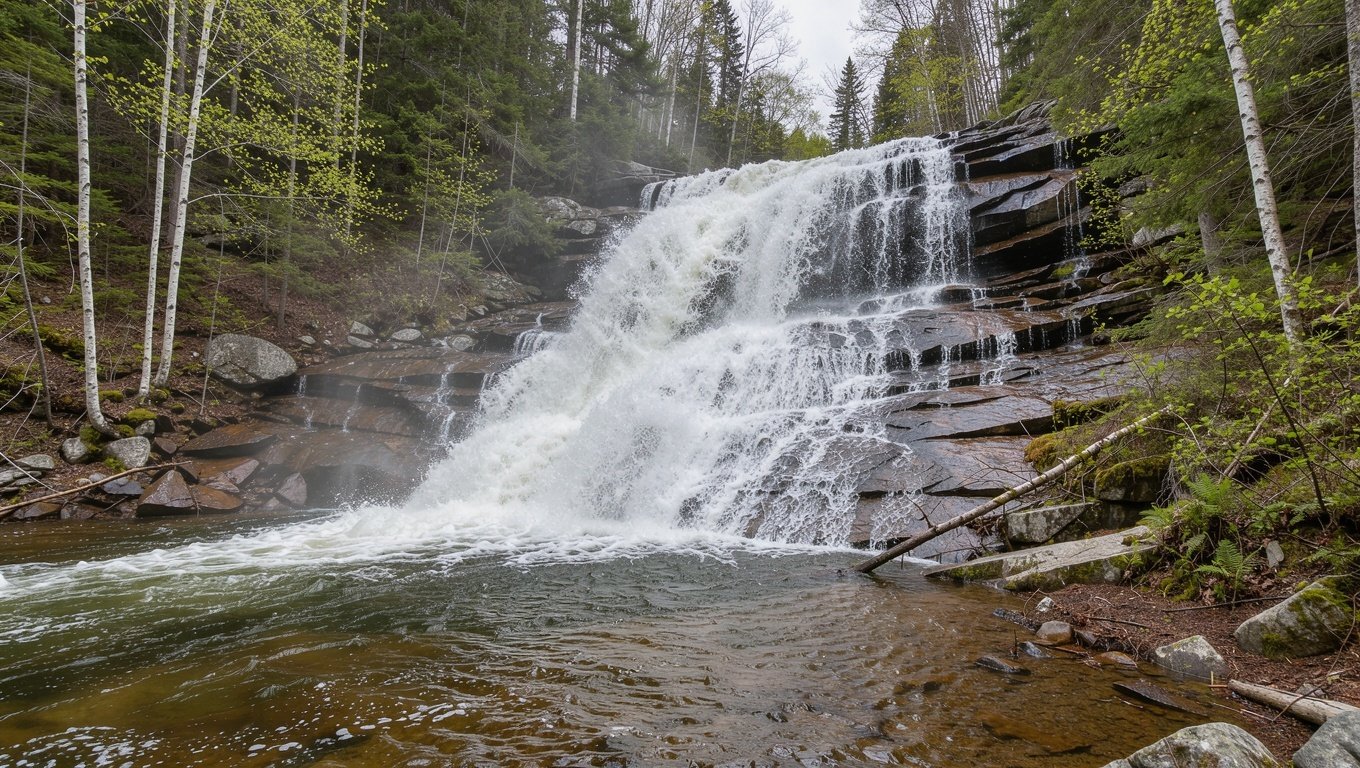
A tall rushing waterfall in a Maine forest in late spring with snowmelt water over dark rock and fresh green leaves

Black fly season — mid-May to late June

The trade-off for all that spring water. Black flies are at their worst inland during a roughly six-week window, and they are far more persistent than mosquitoes. The coast benefits from breeze and is much less affected. Late June usually clears them.

Inland worstCoast OK

If you must travel in these windows

In mud season: stay on pavement. Portland, the museums, the lighthouses and the breweries are all fully functional and pleasantly empty. In black fly season: favour the coast and open headlands over forest interiors, wear long sleeves, and treat clothing rather than skin. Both windows are the cheapest of the year outside deep winter.

Winter

An underrated season, if you plan for it

Maine in January is not a wasteland. Portland has a genuine winter restaurant and bar culture, with rates at a fraction of summer levels. The coast in snow is extraordinary — a lighthouse with a crusted snow line and nobody else in the car park is a better photograph than anything in August.

Inland, it becomes a proper winter destination. Sugarloaf and Sunday River are the two big resorts, with combined terrain to keep anyone busy for a week. Thousands of miles of snowmobile trail connect the interior, and the cross-country networks around Bethel, Rangeley and Acadia's carriage roads are excellent.

The catch is access. Many coastal businesses close from November to April. Some seasonal roads are unplowed. A serious snowstorm can shut down travel for a day, so build slack into your plans and never treat a winter drive as a schedule to be defended.

Acadia in winter

Park Loop Road's ocean drive section is typically closed to vehicles once snow arrives, but you can still walk, ski or snowshoe many of the carriage roads. Cadillac's summit road closes. The park is free to enter and effectively empty, which is either the point or a dealbreaker depending on why you travel.

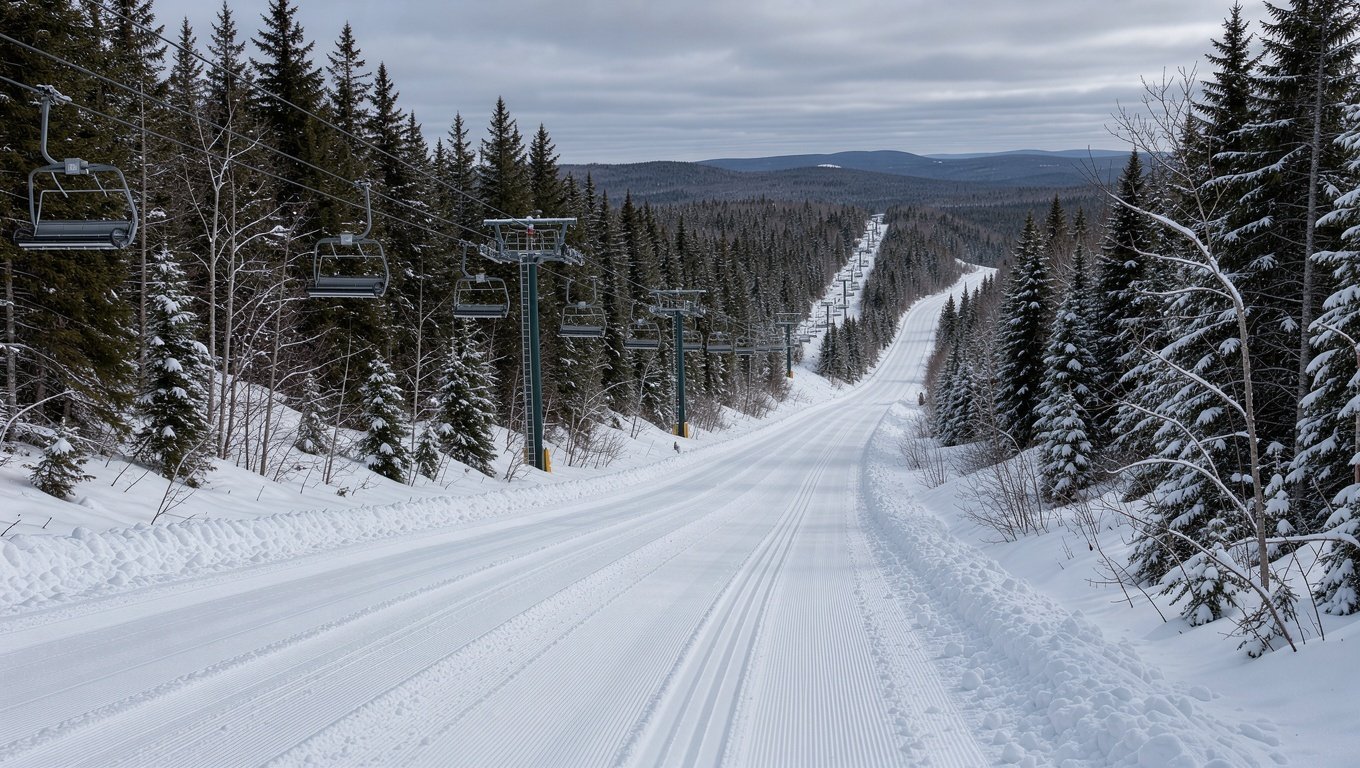
A groomed ski trail curving down a snow-covered forested Maine mountain with an empty chairlift overhead
Sugarloaf and Sunday River carry Maine through the winter; the coast goes quiet and cheap.

Now map the season onto a route

A September trip and an October trip want different itineraries. The planning page covers driving times, packing for the actual weather, and where to stay at each point.