Small coastal inns
The classic Maine stay: ten to twenty rooms in a converted sea captain's house or Victorian. Character, breakfast, and prices to match. The best ones book six months out for summer.
Book early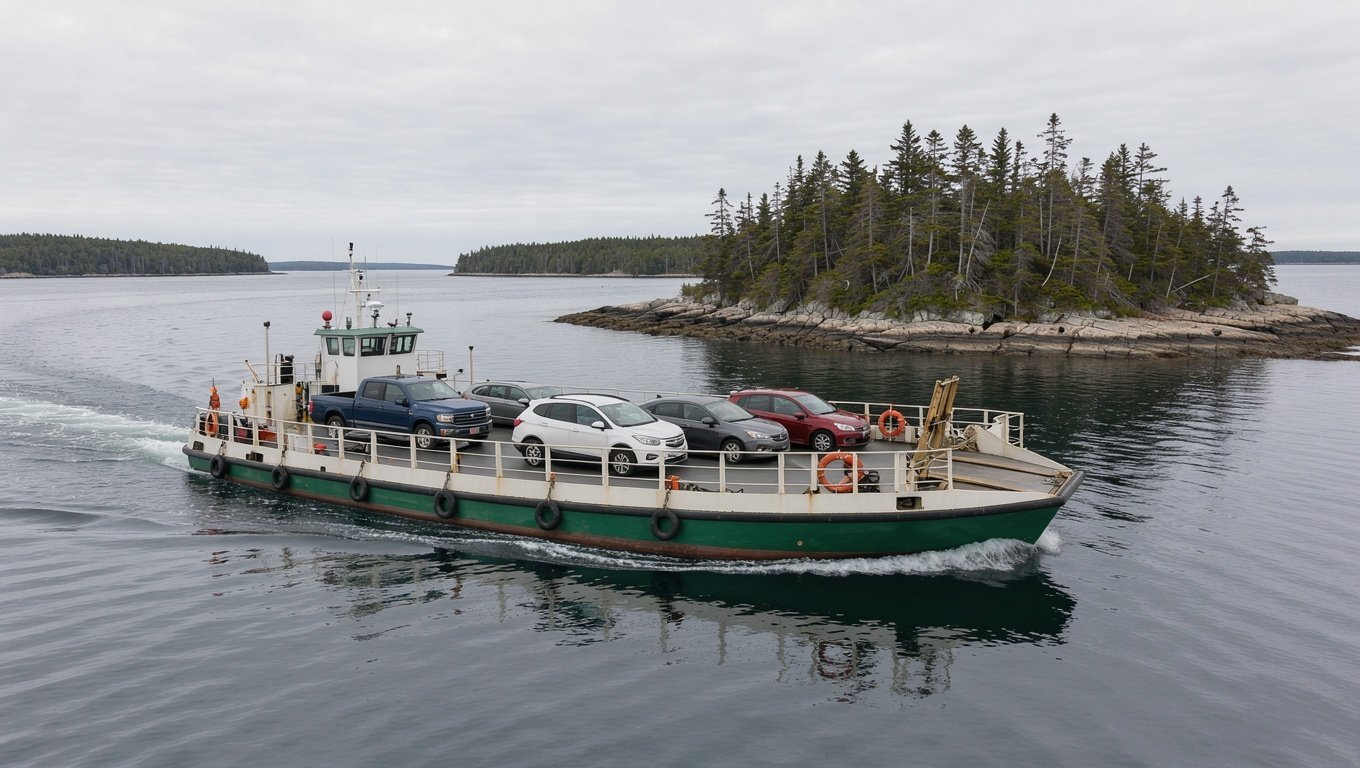
Cars, ferries, weather, packing and where to sleep. The unglamorous details that decide whether a Maine trip feels relaxed or relentless.
Getting around
Maine is a rural state with a long coast and almost no rail. Outside of Portland, public transport exists mainly for residents getting to work, not for visitors covering 200 miles of coastline.
Portland International Jetport (PWM) is the main gateway and sits ten minutes from downtown. Bangor (BGR) is smaller, quicker and far better positioned for Acadia — about an hour from Bar Harbor. Seasonal service also reaches Hancock County near Bar Harbor.
Portland and Bangor both run short of rental cars in July and August. Prices roughly double in peak weeks and one-way rentals sell out first. Two to four months of lead time is normal for summer; earlier if you want an automatic or a larger vehicle.
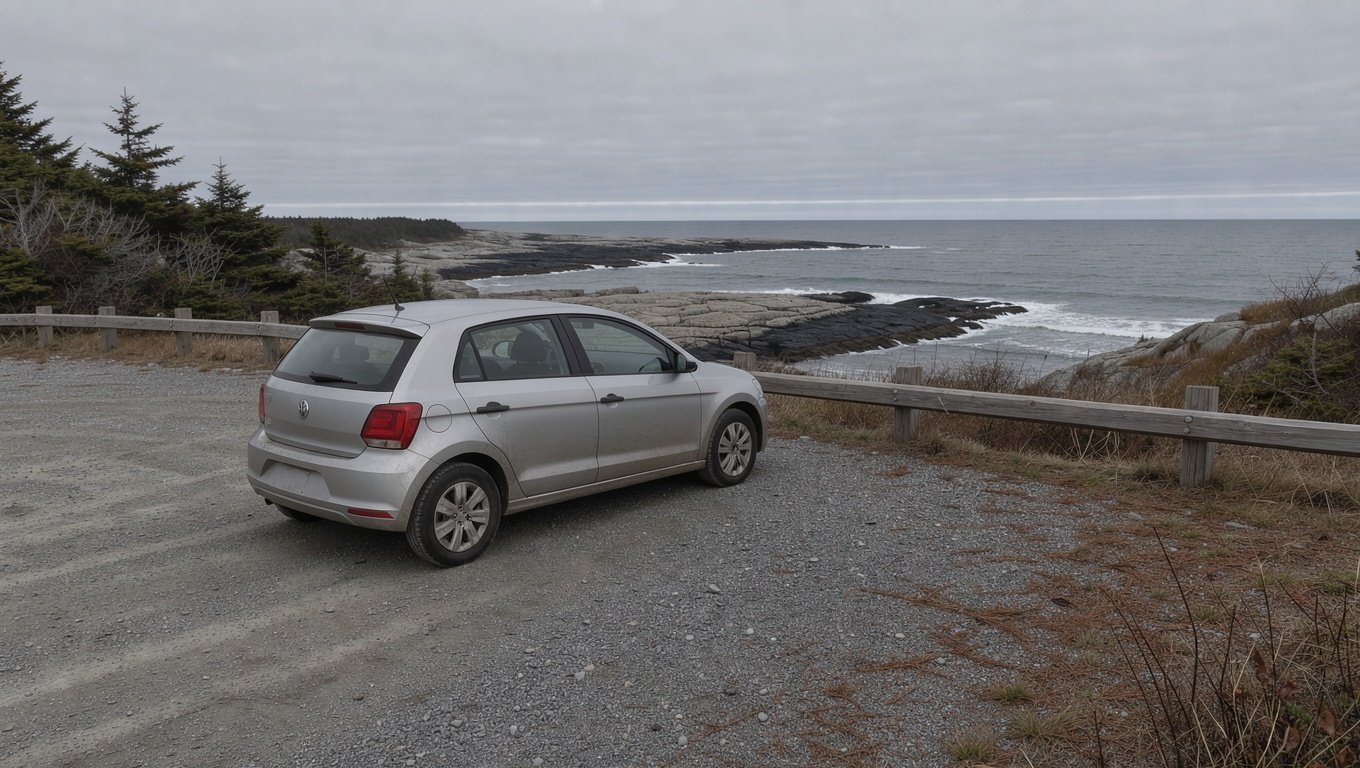
The islands the road never reaches are served by the Maine State Ferry Service and Casco Bay Lines. Walk-on passengers are usually fine, but vehicle space in summer must be booked ahead.
| Method | Use it for | Notes |
|---|---|---|
| Rental car | Everything outside Portland | Essential. Book months ahead for summer. One-way open-jaw is worth the fee |
| Amtrak Downeaster | Boston ↔ Portland ↔ Brunswick | Useful for an arrival day; does not continue up the coast |
| Island Explorer | Mount Desert Island / Acadia | Free shuttle network, typically late June to early October. Removes parking problems entirely |
| Casco Bay Lines | Portland's islands | Frequent passenger service; vehicles reserved well ahead |
| Maine State Ferry Service | Vinalhaven, North Haven, Islesboro, Swan's Island | Vehicle reservations required in season; walk-ons usually fine |
| Concord Coach / regional buses | Portland, Bangor, Augusta, some coastal towns | Thin and slow, but exists. Not a touring option |
Schedules and fares change seasonally. Check the operator's own site for the current timetable before planning a connection.
Where to stay
The single biggest variable in a Maine trip budget is accommodation. Rates in Bar Harbor and Camden roughly triple between April and August, then fall away again in November.
The classic Maine stay: ten to twenty rooms in a converted sea captain's house or Victorian. Character, breakfast, and prices to match. The best ones book six months out for summer.
Book earlyUnderrated. Older independent motels and cabin courts outside the harbour towns are often clean, cheap and convenient, with parking at the door. Chains cluster around Ellsworth and Bangor.
Best valueMaine has excellent state park campgrounds, several on the water. Reserve through the state system as soon as the season opens. Private sites fill the gap; Acadia's own campgrounds are the hardest of all to get.
Reserve on releaseOften the only sensible option for families or groups, and good for multi-night stays where you want a kitchen. Weekly Saturday-to-Saturday patterns still dominate July and August on the coast.
Weekly in summerSleeping in Ellsworth rather than Bar Harbor, or Rockport rather than Camden, typically saves 30–40% for a ten-minute longer drive. The same applies to Portland: South Portland and Westbrook are cheaper and still close.
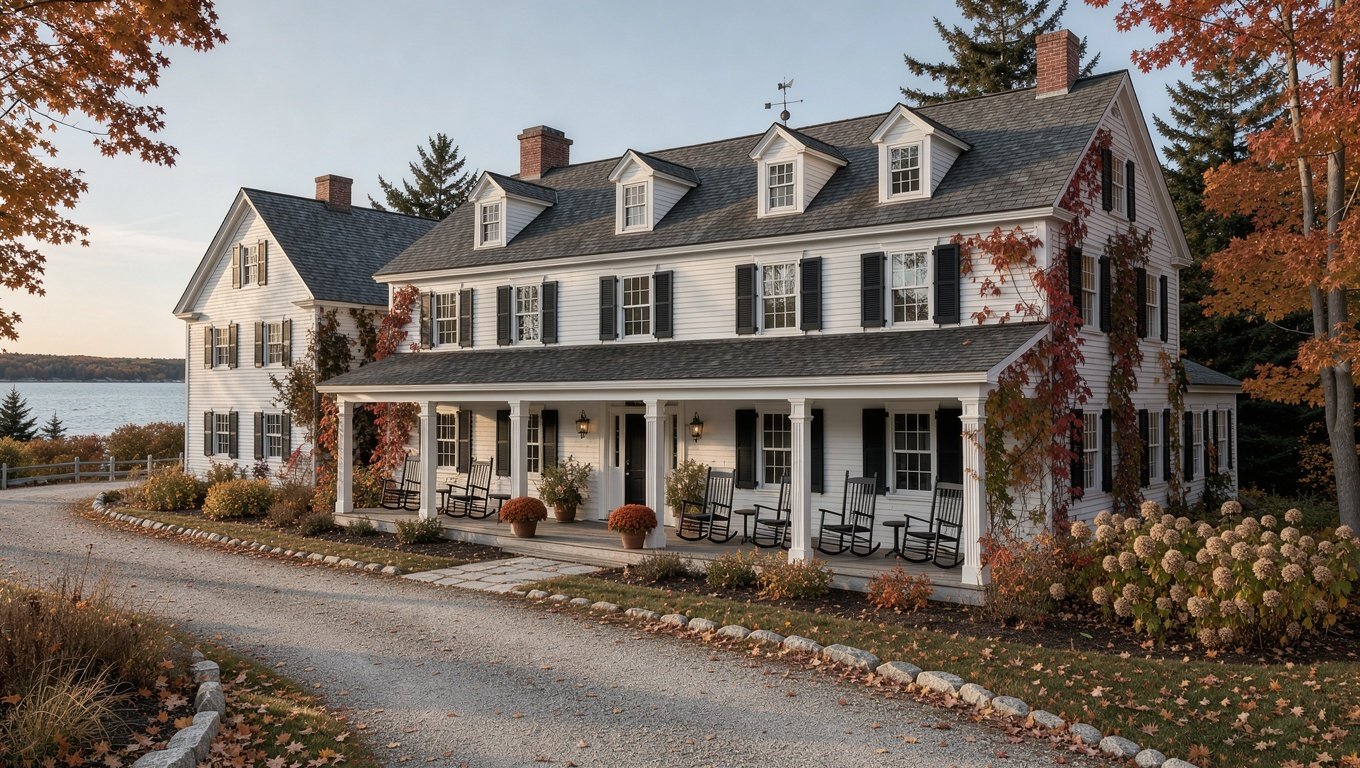
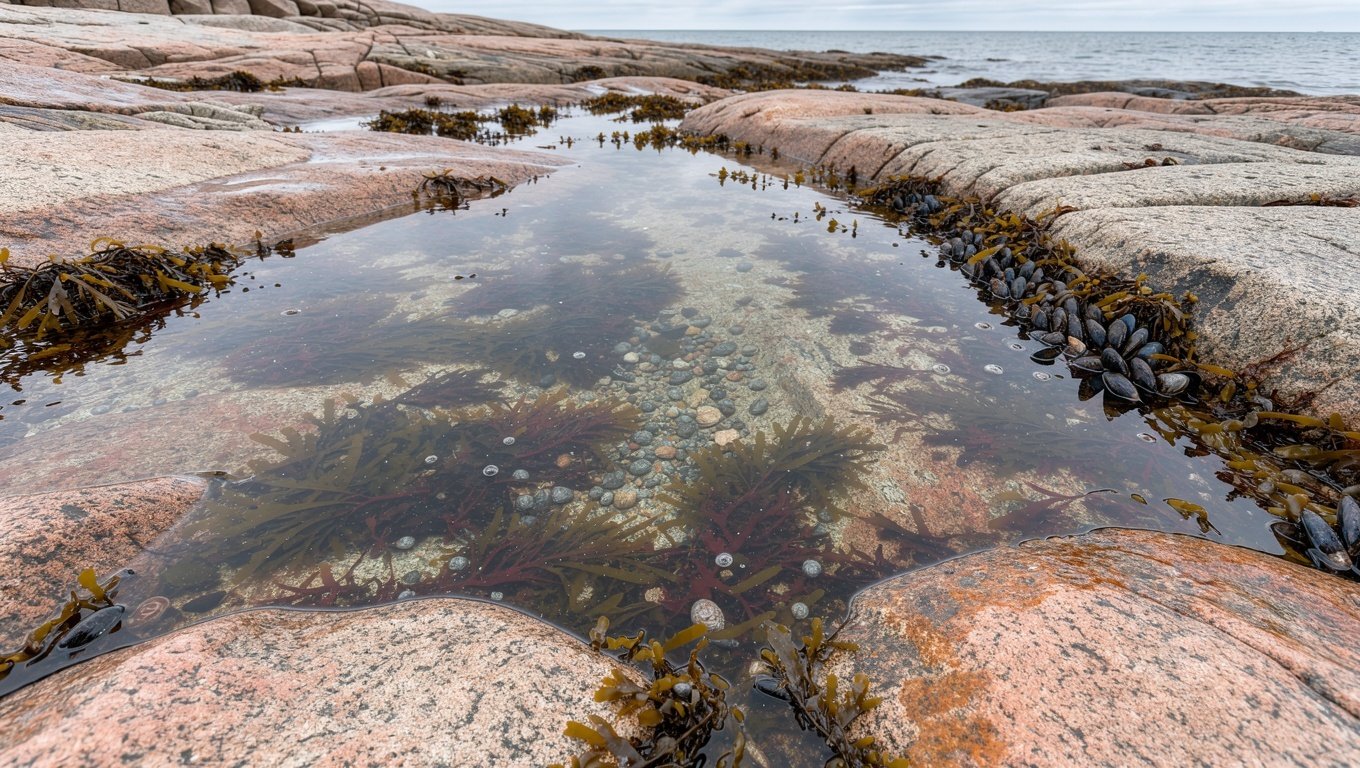
Maine's tidal range reaches 20+ feet in the Bay of Fundy's influence. Beaches you planned to walk can disappear; rocks you crossed to can be cut off. Check a tide table every day, and never walk out onto exposed flats without knowing when the water returns.
Food & drink
Maine's food reputation rests on two things: a genuinely world-class small-city restaurant scene in Portland, and a coastal economy that lands lobster by the hundred million pounds.
Portland has one of the highest breweries-per-capita counts in the United States, and the quality is not marketing. The state also has a serious oyster and aquaculture sector, several good cideries, and a growing distilling scene. Outside the cities, most small towns have a general store rather than a bar — plan evening drinks accordingly.
Between November and April a large share of coastal restaurants close entirely, and the ones that remain often run reduced winter hours. Portland, Bangor and the ski towns are the exceptions. If you are travelling off-season for the food, stay in the city.
Packing & weather
Maine's coastal weather is dominated by ocean temperature, which lags months behind the air. That means fog in June, sudden cold on a sunny August afternoon, and a wind that makes 70°F feel like 55°F.
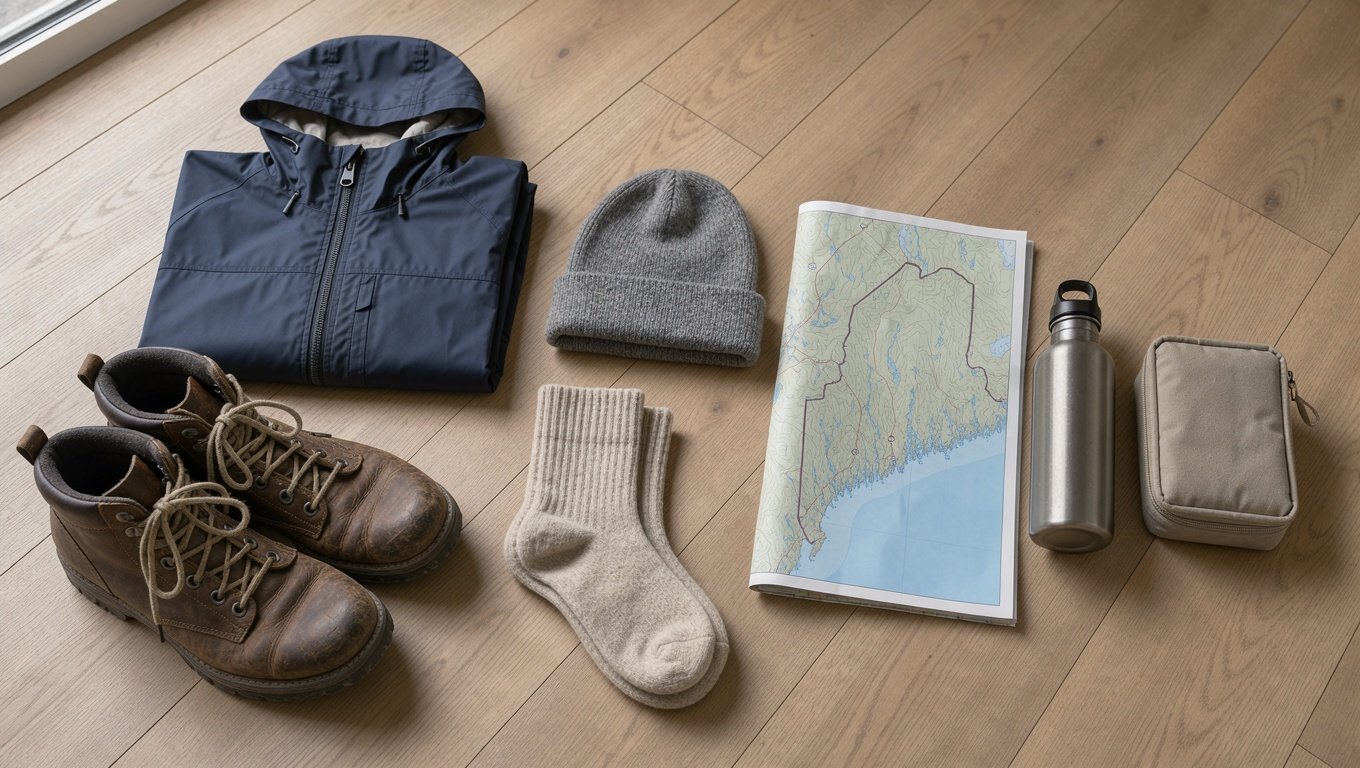
The practical answer is layers, always, in every season. A waterproof shell is the single most useful item you can bring. So are shoes with real grip — wet granite is genuinely slippery, and most Maine trails are wet granite.
| Season | Bring | Don't forget |
|---|---|---|
| Summer | Shorts, t-shirts, mid-layer fleece, rain shell | Warm layer for boats and evenings; insect repellent inland |
| Autumn | Insulating mid-layer, waterproof shell, warm hat | Waterproof boots; October summits can hold snow |
| Winter | Down jacket, thermal base layers, insulated boots | Microspikes for icy trails; gloves that work wet |
| Spring | Layers, shell, quick-dry trousers | Boots that tolerate mud; repellent from mid-May |
Cookies & privacy
Short answer: almost nothing, and it never leaves your browser.
This is a static informational website. It has no user accounts, no comment system, no newsletter signup form and no server-side database of visitor information. There is no advertising network, no analytics platform, no heat-mapping tool and no social-media pixel anywhere on these pages.
| What | Type | Purpose | Duration |
|---|---|---|---|
| Cookie notice choice | Local storage | Remembers that you dismissed the bottom-of-page notice so it does not reappear on every visit | Until you clear it |
| Interface preferences | Local storage | Basic display state such as whether the mobile menu is open | Until you clear it |
| Third-party cookies | None | This site sets no third-party cookies and loads no external scripts, fonts or analytics services | — |
The editorial address is not published in the page markup, so it cannot be harvested by spam bots. Use the Show contact email button in the footer to reveal it — it is assembled only when you click.
This is an independent guide. It is not affiliated with the State of Maine, the National Park Service, any state agency, or any of the universities and colleges described here. Opening hours, fares, reservation rules, admission requirements and entry fees are all subject to change — always confirm with the operator or institution directly before committing money or travel time.
All imagery on this site is illustrative and was generated for editorial purposes. It is intended to convey the character of Maine's landscapes, towns and coast rather than to document specific, identifiable locations. Where a place is named, the guide text — not the photograph — is the accurate reference.